Stella Resources

At AskStellaNow.org, we listen closely to what parents tell us. Over and over, we hear the challenges, the stress, and the hopes that come with raising a child with special needs. That’s why we’ve started building simple, practical apps—tools designed to make your journey just a little easier. Each one is inspired by real families and created to meet everyday needs in a clear and useful way. And we’re not stopping here! If you can dream up an app or resource that would help you and other parents, we’d love to hear from you. 

Just drop me a line at dave@thegearfoundation.org - your ideas could shape the next tool we create.
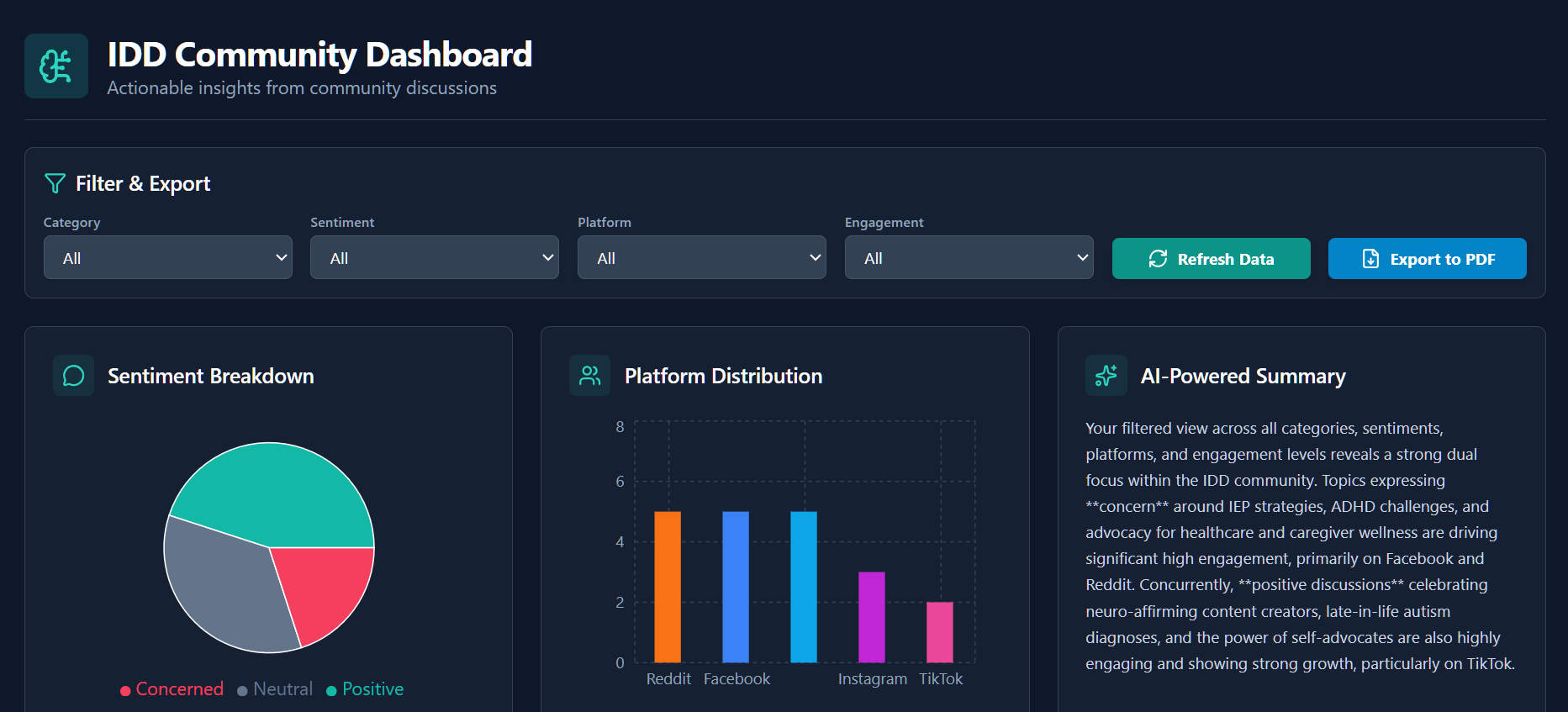
Community Insights Tool 

Community Insights & Trending Discussions Dashboard

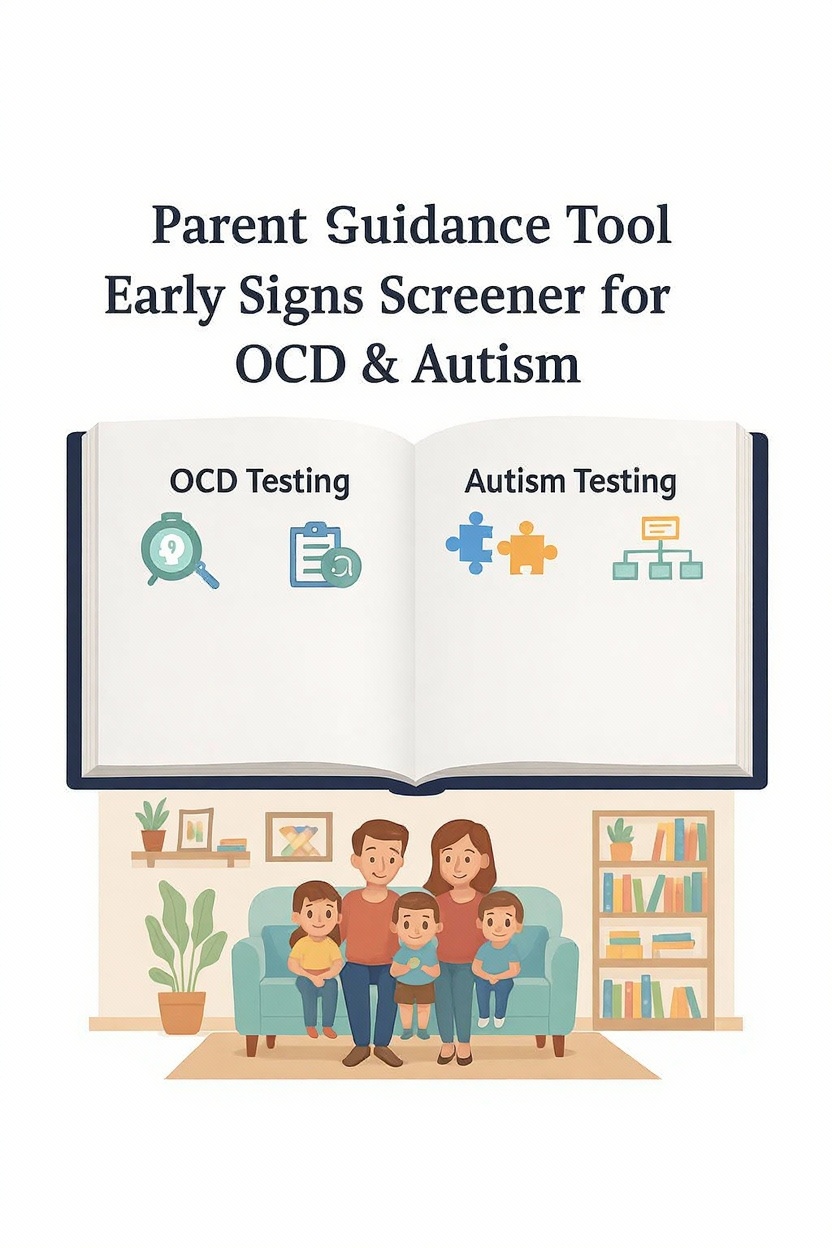
A tool designed to help you organize your observations about your child's behavior. It can be a helpful starting point for conversations with healthcare professionals.

Create Your Child’s Personal Fact Sheet Here

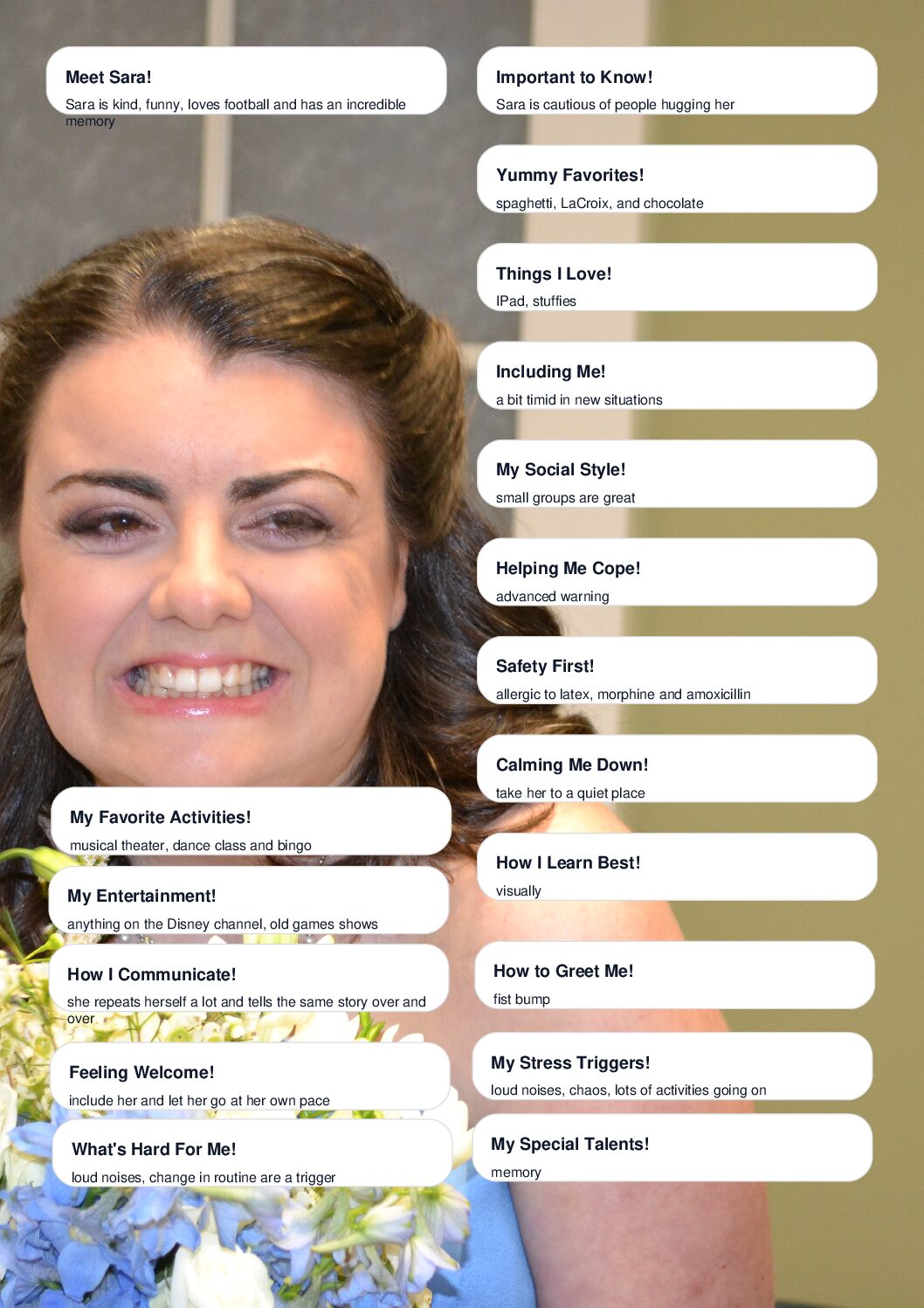
Every child has a story worth sharing—and sometimes the best way to help schools, churches, or community groups understand your child is with something simple, clear, and personal.

That’s why we created the Personal Fact Sheet Creator, a free tool that allows parents to quickly build a one-page introduction for their child. With just a few easy questions, you can generate a colorful, personalized PDF that includes:

Key facts about your child’s personality, strengths, and needs

Bubble-style text that can be moved around the page to keep your child’s picture front and center

A clean format you can download, print, and share with teachers, caregivers, and community leaders

The ability to skip any question—so the sheet is never too busy and only includes what feels right for your family

Why is this helpful? Because whether it’s the first day of school, a new Sunday class, or joining a sports team, people want to connect—but they may not always know how. This fact sheet helps them start on the right foot.

Why does your zip code determine whether your child with disabilities gets help — or is left waiting for years?

In this episode, we break down the hidden structure of the Intellectual and Developmental Disabilities (IDD) support system and why access to Medicaid Home and Community-Based Services (HCBS) often feels like a lottery no family should have to enter.

We explore the reality behind long waiver waitlists, the difference between entitlement programs like TEFRA/Katie Beckett and capped HCBS waivers, and why more than 550,000 individuals with IDD are currently stuck waiting nationwide. For many families, that wait stretches beyond three years, and in some states, children miss critical early-intervention windows entirely.

You’ll also learn why families are forced into a painful contradiction — having to prove their child is “sick enough” for institutional care just to receive support at home — and how income rules, IQ thresholds, and state-by-state policy differences create deep and lasting inequities.

We take a close look at state funding disparities, where some states invest heavily in disability services while others spend pennies, leaving families behind. And even when a waiver is finally approved, many parents face another obstacle: provider shortages, service caps, and approved care that never actually shows up.

This episode uses a simple but powerful analogy — a concert ticket lottery — to explain why families can “win” a waiver and still walk away without real support.

If you are:

A parent or caregiver of a child or adult with IDD

An advocate, educator, or policymaker

Someone trying to understand Medicaid waivers, HCBS, or disability services by state

…this conversation will give you clarity, language, and insight to better navigate — and challenge — a broken system.

🎧 Listen in to understand why where you live matters more than your child’s needs, and what families need to know to advocate more effectively.

Why does your zip code determine whether your child with disabilities gets help — or is left waiting for years?

In this episode, we break down the hidden structure of the Intellectual and Developmental Disabilities (IDD) support system and why access to Medicaid Home and Community-Based Services (HCBS) often feels like a lottery no family should have to enter.

We explore the reality behind long waiver waitlists, the difference between entitlement programs like TEFRA/Katie Beckett and capped HCBS waivers, and why more than 550,000 individuals with IDD are currently stuck waiting nationwide. For many families, that wait stretches beyond three years, and in some states, children miss critical early-intervention windows entirely.

You’ll also learn why families are forced into a painful contradiction — having to prove their child is “sick enough” for institutional care just to receive support at home — and how income rules, IQ thresholds, and state-by-state policy differences create deep and lasting inequities.

We take a close look at state funding disparities, where some states invest heavily in disability services while others spend pennies, leaving families behind. And even when a waiver is finally approved, many parents face another obstacle: provider shortages, service caps, and approved care that never actually shows up.

This episode uses a simple but powerful analogy — a concert ticket lottery — to explain why families can “win” a waiver and still walk away without real support.

If you are:

A parent or caregiver of a child or adult with IDD

An advocate, educator, or policymaker

Someone trying to understand Medicaid waivers, HCBS, or disability services by state

…this conversation will give you clarity, language, and insight to better navigate — and challenge — a broken system.

🎧 Listen in to understand why where you live matters more than your child’s needs, and what families need to know to advocate more effectively.

0 0

YouTube Video VVUwZEZmY2dWaTBDbndmWFVNX3VCT2R3LkpHNVVfbGtxNGc0

Your Zipcode Determines Funding Support

Complex to Simple: Special Needs Parenting Support December 15, 2025 7:52 pm

Caring for a child with special needs is often an invisible marathon. It’s filled with love, but also constant logistics, pressure, and round-the-clock caregiving. Many parents face impossible choices—trusting a stranger with their child or relying on a family member who may not be trained. Over time, this leads to a kind of overload that no one can carry alone.

The Caregiver Crisis: Stress & Financial Strain

What many parents feel isn’t weakness—it’s a documented condition called parenting stress, where a child’s needs consistently exceed the parent’s capacity to cope. Add financial strain, and the weight gets even heavier. One study shows 54% of families with children who have developmental disabilities live on less than $30,000 a year. When emotional strain meets financial pressure, families are at higher risk for burnout or crisis.

Respite Care: The Lifeline Caregivers Deserve

If caregiving is a marathon, respite care is the water station that keeps families going. It provides a safe, temporary place for your child so caregivers can rest and recover. Respite comes in many forms:
• Skilled providers in your home
• Drop-in centers for short breaks
• Overnight care for extended relief

Research is clear on one major outcome: families who receive respite care are far less likely to experience out-of-home placements like foster care. Giving parents a break helps keep families together.

Why It’s So Hard to Access Respite

Many caregivers face huge barriers. A major issue is simply no providers available—one Oregon survey showed 50% of youth couldn’t access respite due to lack of providers. Other barriers include language challenges, confusing systems, and a deep trust deficit, especially in communities that have been overlooked or underserved. Many parents give up because the process of finding, vetting, and trusting someone feels impossible.

A Better Path Forward

Families and experts agree we need to strengthen the entire system:

Better Training & Pay for Providers – Treat respite workers as skilled professionals.

Authentic Community Trust – Build relationships across diverse communities.

Simple, Clear Information – Plain-language guides families can understand even when exhausted.

Policy Changes – Expand eligibility and funding for respite programs that keep families stable.

Immediate Help for Caregivers

If you’re overwhelmed, help is available:
• The Arc National Respite Network – A strong starting place for support and resources.
• Stella, the Special Needs Concierge – Available 24/7 at askstellanow.org, offering fast answers and guidance for parents who don’t have time to search.

Family caregivers are an essential but mostly unpaid workforce. It’s time we move beyond “thank you” and build real systems that care for those who are caring for others.

#RespiteCare #CaregiverSupport #SpecialNeedsParenting #ParentingStress #CaregiverBurnout #SpecialNeedsMom #SpecialNeedsDad #DevelopmentalDisabilities #FamilySupport #CaregiverLife #FosterCarePrevention #HiddenMarathon #AskStella #ArchRespite

Caring for a child with special needs is often an invisible marathon. It’s filled with love, but also constant logistics, pressure, and round-the-clock caregiving. Many parents face impossible choices—trusting a stranger with their child or relying on a family member who may not be trained. Over time, this leads to a kind of overload that no one can carry alone.

The Caregiver Crisis: Stress & Financial Strain

What many parents feel isn’t weakness—it’s a documented condition called parenting stress, where a child’s needs consistently exceed the parent’s capacity to cope. Add financial strain, and the weight gets even heavier. One study shows 54% of families with children who have developmental disabilities live on less than $30,000 a year. When emotional strain meets financial pressure, families are at higher risk for burnout or crisis.

Respite Care: The Lifeline Caregivers Deserve

If caregiving is a marathon, respite care is the water station that keeps families going. It provides a safe, temporary place for your child so caregivers can rest and recover. Respite comes in many forms:
• Skilled providers in your home
• Drop-in centers for short breaks
• Overnight care for extended relief

Research is clear on one major outcome: families who receive respite care are far less likely to experience out-of-home placements like foster care. Giving parents a break helps keep families together.

Why It’s So Hard to Access Respite

Many caregivers face huge barriers. A major issue is simply no providers available—one Oregon survey showed 50% of youth couldn’t access respite due to lack of providers. Other barriers include language challenges, confusing systems, and a deep trust deficit, especially in communities that have been overlooked or underserved. Many parents give up because the process of finding, vetting, and trusting someone feels impossible.

A Better Path Forward

Families and experts agree we need to strengthen the entire system:

Better Training & Pay for Providers – Treat respite workers as skilled professionals.

Authentic Community Trust – Build relationships across diverse communities.

Simple, Clear Information – Plain-language guides families can understand even when exhausted.

Policy Changes – Expand eligibility and funding for respite programs that keep families stable.

Immediate Help for Caregivers

If you’re overwhelmed, help is available:
• The Arc National Respite Network – A strong starting place for support and resources.
• Stella, the Special Needs Concierge – Available 24/7 at askstellanow.org, offering fast answers and guidance for parents who don’t have time to search.

Family caregivers are an essential but mostly unpaid workforce. It’s time we move beyond “thank you” and build real systems that care for those who are caring for others.

#RespiteCare #CaregiverSupport #SpecialNeedsParenting #ParentingStress #CaregiverBurnout #SpecialNeedsMom #SpecialNeedsDad #DevelopmentalDisabilities #FamilySupport #CaregiverLife #FosterCarePrevention #HiddenMarathon #AskStella #ArchRespite

0 0

YouTube Video VVUwZEZmY2dWaTBDbndmWFVNX3VCT2R3LldWbGh5QWhvYmI4

The Weight of Care

Complex to Simple: Special Needs Parenting Support November 23, 2025 7:11 pm

Disability Inclusion: The Payoff | Why Hiring People with Disabilities Drives Real Results

In this video, we unpack the eye-opening insights from the 2024 Disability Equality Index — showing how disability inclusion is far more than good ethics… it’s good business.

Did you know companies that lead in disability inclusion earn 1.6× more revenue and 2.6× more net income than their peers? That’s not coincidence — that’s the power of an inclusive workplace where everyone belongs and contributes.

We’ll walk through:
✅ The incredible rise in disability-focused employee resource groups (ERGs) — now found in 93% of top companies
✅ How digital accessibility has jumped from 44% to 71%, opening doors for both employees and customers
✅ Why centralized accommodation funds and proactive hiring practices are game changers
✅ The five key actions every organization can take right now to build a culture of belonging
✅ How this global movement is reshaping workplaces in Brazil, Canada, the UK, and beyond

Whether you’re a parent or caregiver of an adult with disabilities hoping for real inclusion… or an employer wanting to strengthen your workforce and bottom line, this video will show how inclusion transforms lives and profits.

Let’s move beyond compliance — and into compassion, innovation, and performance.
👉 Visit askstellanow.org
 to learn how inclusive hiring and support tools like Stella, The Special Needs Concierge, are helping parents, caregivers, and employers connect with the right resources today.
#DisabilityInclusion #InclusiveWorkplace #HiringForInclusion #SpecialNeedsEmployment #DisabilityEquality #NeurodiversityAtWork #AccessibilityMatters #DisabilityAwareness #InclusiveLeadership #AskStellaNow #DisabilityAdvocacy #EmployingAdultsWithDisabilities #CaregiverSupport #InclusionRevolution #WorkforceDiversity

Disability Inclusion: The Payoff | Why Hiring People with Disabilities Drives Real Results

In this video, we unpack the eye-opening insights from the 2024 Disability Equality Index — showing how disability inclusion is far more than good ethics… it’s good business.

Did you know companies that lead in disability inclusion earn 1.6× more revenue and 2.6× more net income than their peers? That’s not coincidence — that’s the power of an inclusive workplace where everyone belongs and contributes.

We’ll walk through:
✅ The incredible rise in disability-focused employee resource groups (ERGs) — now found in 93% of top companies
✅ How digital accessibility has jumped from 44% to 71%, opening doors for both employees and customers
✅ Why centralized accommodation funds and proactive hiring practices are game changers
✅ The five key actions every organization can take right now to build a culture of belonging
✅ How this global movement is reshaping workplaces in Brazil, Canada, the UK, and beyond

Whether you’re a parent or caregiver of an adult with disabilities hoping for real inclusion… or an employer wanting to strengthen your workforce and bottom line, this video will show how inclusion transforms lives and profits.

Let’s move beyond compliance — and into compassion, innovation, and performance.
👉 Visit askstellanow.org
to learn how inclusive hiring and support tools like Stella, The Special Needs Concierge, are helping parents, caregivers, and employers connect with the right resources today.
#DisabilityInclusion #InclusiveWorkplace #HiringForInclusion #SpecialNeedsEmployment #DisabilityEquality #NeurodiversityAtWork #AccessibilityMatters #DisabilityAwareness #InclusiveLeadership #AskStellaNow #DisabilityAdvocacy #EmployingAdultsWithDisabilities #CaregiverSupport #InclusionRevolution #WorkforceDiversity

0 0

YouTube Video VVUwZEZmY2dWaTBDbndmWFVNX3VCT2R3Lk5XUWRVTF9qLU5V

The Disability Inclusion Advantage

Complex to Simple: Special Needs Parenting Support November 21, 2025 5:56 pm

Stop the Struggle, Unlock Their Strengths: How a Neuro-Affirming Approach is Transforming Your Child's Education.
Are you tired of hearing about your child's "deficits" or goals focused on mandatory compliance? This essential conversation reveals the revolutionary shift from trying to fix neurodivergent students to celebrating and supporting their unique ways of thinking and communicating.
Learn how parents and educators can partner to foster environments that honor your child’s neurotype (such as Autism or ADHD) and emphasize their natural strengths, like intense focus and excellent memory for detail. We will break down what makes a Neuro-Affirming Individualized Education Program (IEP) truly effective, focusing on strength-based language and goals that build self-regulation and autonomy.
Discover the power of crucial environmental and sensory accommodations (like allowing stimming or using noise-canceling headphones) and how embracing identity-first language ("Autistic person") boosts self-esteem and prevents burnout caused by masking. This approach ensures your child doesn't just cope—they thrive by gaining the self-advocacy skills needed for lifelong success.

--------------------------------------------------------------------------------
SEO & Hashtags
Keywords/SEO Focus: Neurodiversity, Neuro-Affirming, Autism, IEP, Education, Strengths-Based Learning, Sensory Support, Deficit Thinking, Accommodations, Self-Advocacy.
Appropriate Hashtags:
#Neurodiversity #NeuroAffirmingEducation #AutismAcceptance #IEPgoals #SpecialEducation #Autistic #ADHDsupport #SensoryProcessing #StrengthsBasedLearning #ActuallyAutistic

Stop the Struggle, Unlock Their Strengths: How a Neuro-Affirming Approach is Transforming Your Child's Education.
Are you tired of hearing about your child's "deficits" or goals focused on mandatory compliance? This essential conversation reveals the revolutionary shift from trying to fix neurodivergent students to celebrating and supporting their unique ways of thinking and communicating.
Learn how parents and educators can partner to foster environments that honor your child’s neurotype (such as Autism or ADHD) and emphasize their natural strengths, like intense focus and excellent memory for detail. We will break down what makes a Neuro-Affirming Individualized Education Program (IEP) truly effective, focusing on strength-based language and goals that build self-regulation and autonomy.
Discover the power of crucial environmental and sensory accommodations (like allowing stimming or using noise-canceling headphones) and how embracing identity-first language ("Autistic person") boosts self-esteem and prevents burnout caused by masking. This approach ensures your child doesn't just cope—they thrive by gaining the self-advocacy skills needed for lifelong success.

--------------------------------------------------------------------------------
SEO & Hashtags
Keywords/SEO Focus: Neurodiversity, Neuro-Affirming, Autism, IEP, Education, Strengths-Based Learning, Sensory Support, Deficit Thinking, Accommodations, Self-Advocacy.
Appropriate Hashtags:
#Neurodiversity #NeuroAffirmingEducation #AutismAcceptance #IEPgoals #SpecialEducation #Autistic #ADHDsupport #SensoryProcessing #StrengthsBasedLearning #ActuallyAutistic

0 0

YouTube Video VVUwZEZmY2dWaTBDbndmWFVNX3VCT2R3LlczVWJmVFFwSnZF

From Deficit to Diversity

Complex to Simple: Special Needs Parenting Support November 19, 2025 9:12 pm

5 Surprising Truths About How Technology is Revolutionizing Special Needs Communication

Discover how cutting-edge technology is transforming communication for children with autism, cerebral palsy, apraxia, and other disabilities. Learn the counter-intuitive truths that are changing everything parents and educators thought they knew about AAC devices, speech development, and therapy.

⏰ TIMESTAMPS:
0:00 - Introduction: Beyond the Screen
1:45 - Truth #1: You Don't Need to Be 'Ready' to Start Communicating
4:20 - Truth #2: A 'Talker' Might Actually Help Your Child Talk
6:50 - Truth #3: The Secret to Teaching is Shockingly Simple
9:15 - Truth #4: Practice for Reality... Virtually
12:00 - Truth #5: Your TV Can Be Your Therapist
14:30 - Conclusion: A New Language of Possibility

📚 KEY TOPICS COVERED:
✓ AAC devices and augmentative communication systems
✓ Speech development myths debunked
✓ How to teach children to use communication devices
✓ Virtual reality therapy for special needs
✓ Evidence-based parenting interventions
✓ Technology accessibility for disabilities
✓ Applied Behavior Analysis (ABA) therapy breakthroughs
✓ Special needs learning strategies

💡 WHO SHOULD WATCH:

Parents raising children with special needs

Speech-language pathologists (SLPs)

Special education teachers

ABA therapists and practitioners

Occupational therapists

Autism advocates and educators

Disability support professionals

Special needs advocates

🔗 RESOURCES MENTIONED:

AAC (Augmentative and Alternative Communication) devices

Floreo VR platform for neurodiverse learners

Group Triple P parenting program

Virtual reality therapy for autism and special needs

📌 IMPORTANT TAKEAWAYS:

Children don't need prerequisites to start using AAC devices

AAC devices support, not replace, speech development

Modeling communication is the foundation of learning

Virtual reality creates safe practice environments

Therapy can be effectively delivered through accessible media

5 Surprising Truths About How Technology is Revolutionizing Special Needs Communication

Discover how cutting-edge technology is transforming communication for children with autism, cerebral palsy, apraxia, and other disabilities. Learn the counter-intuitive truths that are changing everything parents and educators thought they knew about AAC devices, speech development, and therapy.

⏰ TIMESTAMPS:
0:00 - Introduction: Beyond the Screen
1:45 - Truth #1: You Don't Need to Be 'Ready' to Start Communicating
4:20 - Truth #2: A 'Talker' Might Actually Help Your Child Talk
6:50 - Truth #3: The Secret to Teaching is Shockingly Simple
9:15 - Truth #4: Practice for Reality... Virtually
12:00 - Truth #5: Your TV Can Be Your Therapist
14:30 - Conclusion: A New Language of Possibility

📚 KEY TOPICS COVERED:
✓ AAC devices and augmentative communication systems
✓ Speech development myths debunked
✓ How to teach children to use communication devices
✓ Virtual reality therapy for special needs
✓ Evidence-based parenting interventions
✓ Technology accessibility for disabilities
✓ Applied Behavior Analysis (ABA) therapy breakthroughs
✓ Special needs learning strategies

💡 WHO SHOULD WATCH:

Parents raising children with special needs

Speech-language pathologists (SLPs)

Special education teachers

ABA therapists and practitioners

Occupational therapists

Autism advocates and educators

Disability support professionals

Special needs advocates

🔗 RESOURCES MENTIONED:

AAC (Augmentative and Alternative Communication) devices

Floreo VR platform for neurodiverse learners

Group Triple P parenting program

Virtual reality therapy for autism and special needs

📌 IMPORTANT TAKEAWAYS:

Children don't need prerequisites to start using AAC devices

AAC devices support, not replace, speech development

Modeling communication is the foundation of learning

Virtual reality creates safe practice environments

Therapy can be effectively delivered through accessible media

0 0

YouTube Video VVUwZEZmY2dWaTBDbndmWFVNX3VCT2R3LlV1WmcxT3pLMTZv

5 Surprising Truths About How Technology is Revolutionizing Special Needs Communication

Complex to Simple: Special Needs Parenting Support November 18, 2025 8:56 pm

Are you a parent raising a child with special needs and feeling overwhelmed by IEP meetings, school paperwork, and constant advocacy battles? You’re not alone. And you shouldn’t have to figure it all out by yourself.

That’s why I created the IE Survivor Toolkit — a simple, clear, and life-saving resource designed to help you understand your rights, feel more confident walking into school meetings, and reduce the stress that every parent knows all too well.

Let’s explore this together. Why should you carry the weight alone when the right tools can make your path easier?

Inside this toolkit, I’ll show you:

What every parent must bring to any IEP or school meeting

How to document concerns so the school takes you seriously

Ways to ask for services without sounding confrontational

Tips to keep emotions in check when meetings get tough

Tools to stay organized and protect your child’s progress

This isn’t just information — it’s empowerment.
It’s clarity.
It’s your roadmap when the journey feels confusing or unfair.

And remember… you are the most important advocate your child will ever have.

If you need more help, you can always find step-by-step guides and resources at AskStellaNow.org, the Special Needs Concierge supporting families across the U.S.


#SpecialNeedsParenting
#IEPHelp
#SpecialEducationSupport
#AskStellaNow
#AutismParenting
#DisabilityAdvocacy
#IEPSurvivorToolkit
#ParentAdvocate
#IEPMeetingTips
#NeurodivergentSupport
#SpecialNeedsResources
#ADHDParenting
#DownSyndromeSupport
#ParentCaregiver
#SpecialNeedsCommunity

Are you a parent raising a child with special needs and feeling overwhelmed by IEP meetings, school paperwork, and constant advocacy battles? You’re not alone. And you shouldn’t have to figure it all out by yourself.

That’s why I created the IE Survivor Toolkit — a simple, clear, and life-saving resource designed to help you understand your rights, feel more confident walking into school meetings, and reduce the stress that every parent knows all too well.

Let’s explore this together. Why should you carry the weight alone when the right tools can make your path easier?

Inside this toolkit, I’ll show you:

What every parent must bring to any IEP or school meeting

How to document concerns so the school takes you seriously

Ways to ask for services without sounding confrontational

Tips to keep emotions in check when meetings get tough

Tools to stay organized and protect your child’s progress

This isn’t just information — it’s empowerment.
It’s clarity.
It’s your roadmap when the journey feels confusing or unfair.

And remember… you are the most important advocate your child will ever have.

If you need more help, you can always find step-by-step guides and resources at AskStellaNow.org, the Special Needs Concierge supporting families across the U.S.


#SpecialNeedsParenting
#IEPHelp
#SpecialEducationSupport
#AskStellaNow
#AutismParenting
#DisabilityAdvocacy
#IEPSurvivorToolkit
#ParentAdvocate
#IEPMeetingTips
#NeurodivergentSupport
#SpecialNeedsResources
#ADHDParenting
#DownSyndromeSupport
#ParentCaregiver
#SpecialNeedsCommunity

0 0

YouTube Video VVUwZEZmY2dWaTBDbndmWFVNX3VCT2R3LlJwZHZJN2s3VWR3

IEP Survivor Toolkit

Complex to Simple: Special Needs Parenting Support November 16, 2025 7:56 pm

Empowering Special Needs Families with Support and Solutions

Like staying up to date? 
© Copyright The Gear Foundation.  All Rights Reserved. Design by KD Creative Studio
Page Created with OptimizePress