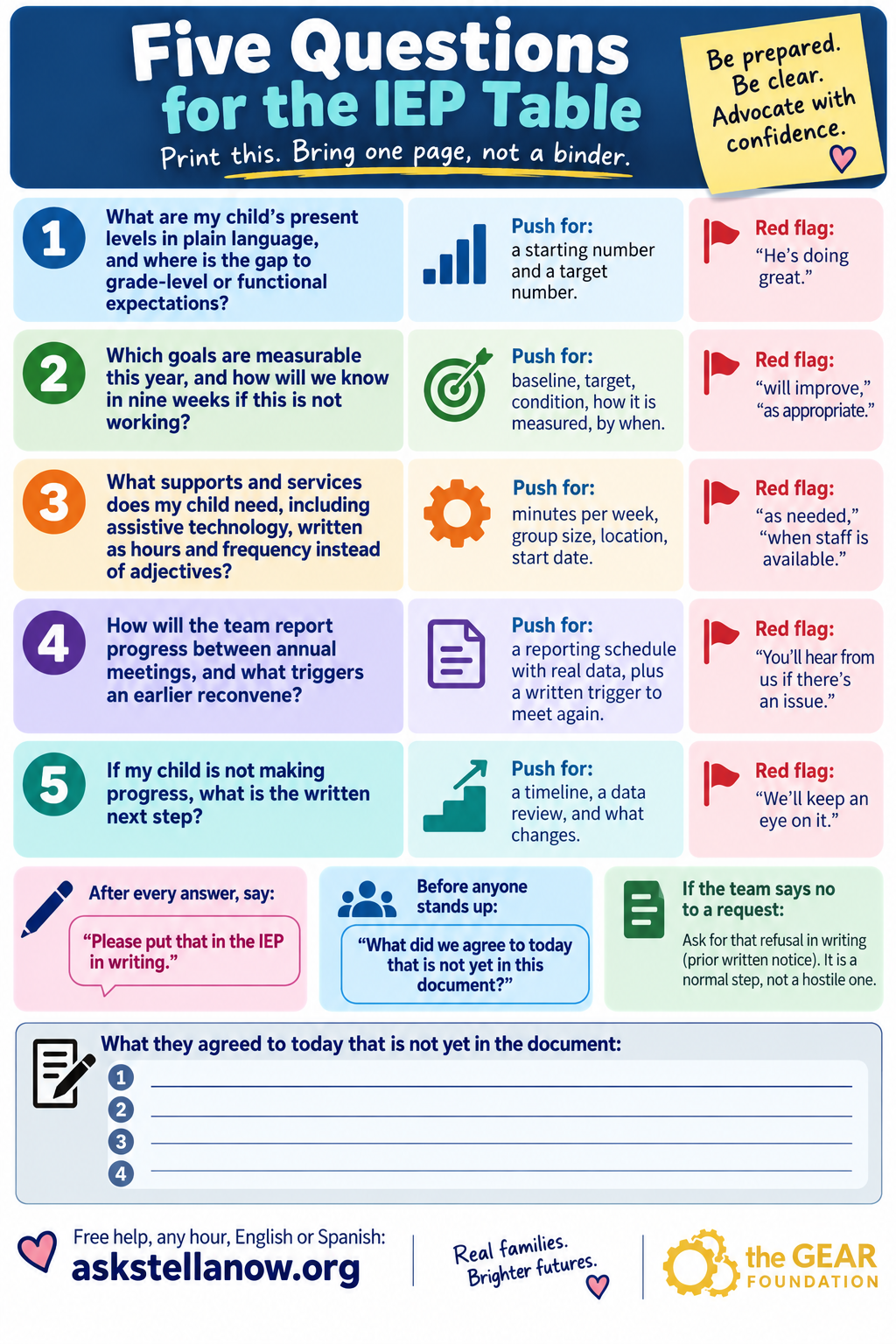
When you look at the Global Economics of Disability 2024 report, one thing becomes crystal clear: the world still has a long way to go when it comes to designing systems that actually work for people with disabilities and their families. But here’s the good news—we’re not powerless. In fact, there’s already a tool out there leading the charge: Stella, the Special Needs Concierge.
Let’s walk through the key takeaways from the report—and I’ll show you how Stella is already addressing these challenges, head-on.
✅ 1. Disability Is About Functionality, Not Just Identity
The report reminds us: disability isn’t just a label—it’s about how someone interacts with the world.
That’s exactly how Stella works. She doesn’t ask for a diagnosis. She doesn’t make you jump through hoops. Instead, she meets parents and caregivers at the point of need—whether that’s school issues, finding a therapist, applying for respite care, or understanding funding options.
No fluff. No judgment. Just clear, helpful answers when they’re needed most.
✅ 2. Non-Apparent Disabilities Are Overlooked
Did you know 70% of disabilities are invisible? We’re talking about autism, anxiety, ADHD, and more.
Stella gets it. She was built with these families in mind. Her intuitive, kind, and simple interface is especially helpful for people who are overwhelmed, under-supported, or just don’t have the time or emotional bandwidth to search through endless pages of info.
She gives a voice to those who are often overlooked.
✅ 3. Disability Touches 63% of the Global Population
That number includes not just those with disabilities—but also friends, families, teachers, and employers.
And Stella is designed for all of them. Whether you’re a mom needing help with an IEP, a teacher looking for classroom support, or a boss wanting to accommodate a team member, Stella delivers personalized, curated results. That’s impact that ripples outward.
✅ 4. Design Should Be Human-Centered, Not Just Compliant
The report says we must move beyond “check the box” accessibility to real, human-centered design.
Guess what? Stella is already there. She was created by a special needs parent who lived the daily struggles. That means every feature, every answer, and every suggestion is rooted in real life. This isn’t a cold database—it’s a warm, helpful companion.
✅ 5. We Need Data to Drive Better Design
Real-time feedback helps fix real-world problems.
Stella is more than just a helper—she’s a learner. With every user interaction, she gathers valuable data: what families are struggling with, where gaps exist in services, and what support is most in demand. That means nonprofits and policymakers can finally get the insight they need to serve better.
✅ 6. AI and Accessibility Must Work Together
AI isn’t the future—it’s the now, especially when it comes to breaking down barriers.
Stella uses AI to make complex systems (like Medicaid waivers or IEP processes) simple and understandable. She translates bureaucratic speak into plain English, so parents don’t have to become lawyers to get the help their child deserves.
She’s fast, friendly, and never condescending—just what overwhelmed parents need.